
Loading cart...

As your dog gets older, you might notice little changes. They pause a bit longer before getting up. They take their time on walks. They might not rush to the door quite like they used to.
It can be hard to watch – especially when you know how much they still love being part of everything.
But here’s the good news: with a few thoughtful tweaks, you can help them keep enjoying their days in a way that works for them. A sensory garden – and a few simple changes at home – can make all the difference.
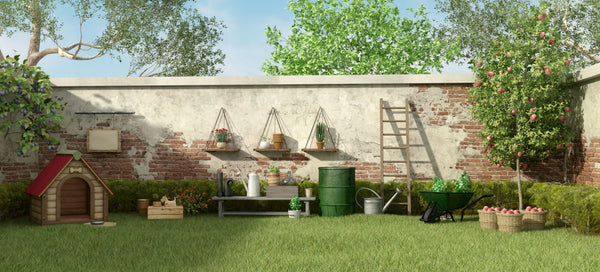
Dogs don’t need big adventures to feel fulfilled – they just need interesting ones.
A garden filled with different scents, textures and sounds can give your dog plenty to explore, all at their own pace. It’s especially helpful if longer walks aren’t always on the cards.
You don’t need to overhaul your whole garden. Just a few small additions can turn it into somewhere they’ll want to potter, sniff and settle.
Let them lead the way. You’ll often find they’re happiest just wandering, sniffing and taking it all in.
Indoors matters just as much as outdoors.
Slippery floors can be tricky for older dogs, especially as they start to take things more slowly. Adding rugs or non-slip runners can help them feel more steady on their feet, while keeping nails trimmed can improve grip.
It’s not about changing everything – just smoothing out the parts of their day that might feel a bit harder than they used to.
If you’re thinking about making a few more changes at home, you can find more ideas in our guide on how to adapt your home for your senior dog.
Mealtimes are one of the highlights of the day, so it’s worth making them as easy as possible.
Raised dog bowls or elevated feeders can help bring food closer to them, which some dogs find more comfortable. Non-slip bowls or feeding mats can also stop things sliding around mid-meal.
Small changes, but they can make a noticeable difference to how settled your dog feels.
As dogs get older, they can find it harder to see in low light.
Adding a soft night light near their bed or along their usual route can help them move around more confidently. Motion-sensor lights are a great option if you don’t want a constant glow.
It’s a simple touch, but often a reassuring one.
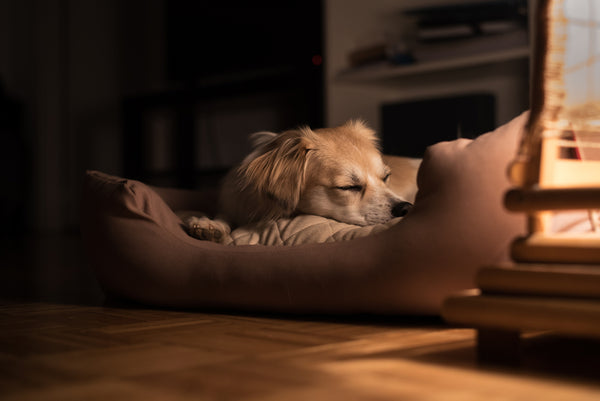
If your dog isn’t as keen on long walks, mental stimulation becomes even more important.
The right kind of toy can keep them engaged without overwhelming them. Look for things that are easy to interact with and rewarding to explore.
It’s less about high energy play, more about giving them something to do – and sharing that time together.
As your dog’s needs change, a little extra support can help them keep enjoying the things they love, just in their own way.
If you’re noticing changes in how they move day to day, you might find it helpful to explore how our range of dog joint supplements can support mobility and help keep dogs moving comfortably.
And if you ever have concerns about your dog’s health or behaviour, it’s always best to speak to your vet.

Previous article
How to adapt your home for your senior dogUpcoming article
The best foods to keep dogs' joints healthy
Answer a few quick questions and we'll match you with the right YuMOVE support for your pet. Tailored recommendations backed by science and loved by vets.


Lets explore what causes incontinence in dogs, its treatment and understand how do you live with an incontinent dog to support them as best you can.

We understand that seeing your senior dog disoriented can be stressful, but it’s important to stay calm and know what to do. That’s why we’ve put together this guide to help you understand what’s happening, distinguish between the different causes, and know when to act.

While every dog ages differently, knowing when your dog is considered senior can help you adapt their diet, exercise and healthcare needs as they age. Read on to discover when dogs typically enter their senior years and the signs to look out for.

Join our email list for special offers and the latest news. PLUS get 50% off your first 2 months** when you Subscribe & Save.
We'll be in touch!
You're now signed up to receive tips, updates, and offers to help keep your pet happy and healthy.

Enter your email for us to save your basket and receive all our special offers
Close the box to stay on the page


