
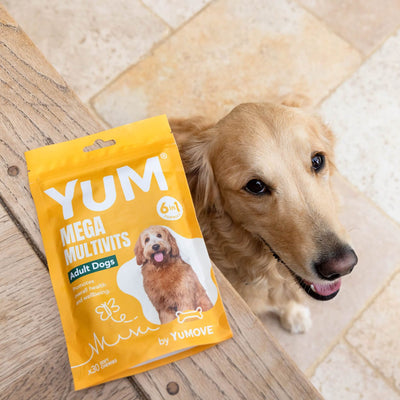
Large dog breeds can benefit from supplements, particularly for joint, coat and digestion support. YuMOVE is suitable for dogs of any size, but our supplements have tailored feeding guidelines so you can give your larger dog what they need.
Are you looking for a joint supplements for dogs for your large breed? Containing powerful ingredients including Glucosamine for dogs and a special blend of Omega-3s from our unique ActivEase® Green Lipped Mussel. YuMOVE Joint Care supplements deliver visible results in just 6 weeks or your money back.*
YuMOVE supplements are suitable for dogs of any breed or size, making them the ideal choice for large dog breed supplements. Explore large dog multivitamins and joint supplements for large dogs alongside digestive health and skin and coat care supplements for dogs.
Review the feeding guide for each product to confirm the recommended daily amount for large dogs who are 31kgs and over.
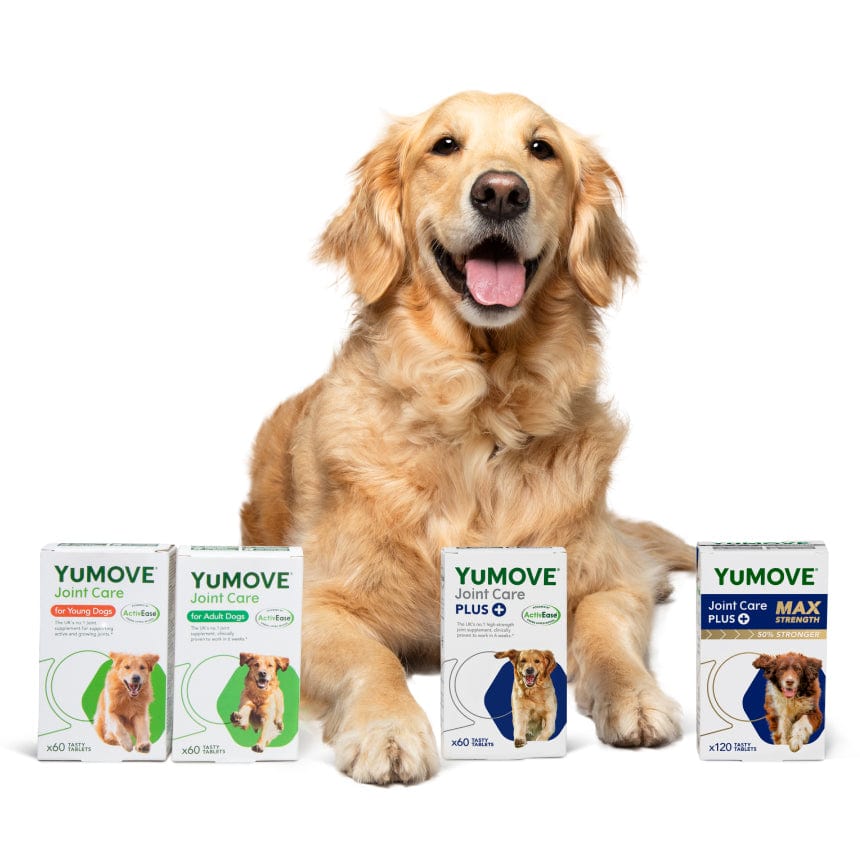
Looking after your large dog
It’s not surprising that large dogs can be more likely to experience joint concerns. This is partly because their size, weight and rapid growth rate can put extra strain on their joints, especially if they’re very active. Choosing a joint supplement for large dogs means you know they’re getting the support they deserve.
Some big breeds also experience digestive issues, such as sensitive tummies and loose stools. If this sounds like your large dog, consider introducing daily digestive support. It can help keep their tummy comfortable and stools firm, as well as supporting their immune system and overall wellbeing.
Dog Joint Supplements Recommendation
Enter their details to find the most suitable Joint Care product for them.
Active ingredients in YuMOVE’s joint care range
Find out more about our high-quality ingredients and how they can help your dog.
Green Lipped Mussel
Our unique ActivEase® Green Lipped Mussel is sustainably sourced from the crystal-clear waters of New Zealand. Our formula contains a range of Omega-3 fatty acids to help soothe dogs stiff joints. We source our mussels in selected bays and harvest at specific times to deliver mussels that match our high-quality standards.
Glucosamine
Plant-based Glucosamine provides the major building blocks of cartilage – the tough connective tissue that cushions the joint. Glucosamine for dogs is a compound already produced in the body.
Manganese
Manganese is an essential mineral that supports collagen formation in the cartilage, tendons and ligaments. Manganese is important for growth, joint health and many other functions in a dog's body. Dogs can't produce manganese so it must be obtained through their diet or an external source.
Hyaluronic Acid
Hyaluronic Acid is a major component of synovial fluid, the fluid that cushions dogs’ joints. It helps to lubricate and cushion the joint. Hyaluronic Acid for dogs is useful to support healthy joint function and mobility. Explore all our dog joint supplements containing Hyaluronic Acid.
We know it can be a worry if you’ve found blood or mucus in your dog’s poo. There are many reasons why this could occur, which is why a trip to the vets is recommended. However, to help you feel more informed, we’re going to explore some of the most common reasons for blood and mucus in dog or puppy poo, and what treatment options might be available for your pet.
Is mucus in dog poo normal?
Normal dog faeces contain small amounts of mucus. It is a slimy substance that helps lubricate the faeces as it passes through your pet’s digestive tract. This isn’t usually that noticeable, or you may just see small bits very occasionally. But if your dog is suffering from a digestive upset, you may see increased mucus. Large volumes of mucus may look like jelly, or a pale skin-like coating over the stools. Alternatively, you might notice small pools of mucus around the faeces. Changes to the amount of mucus in your dog’s poo often indicates inflammation in the colon, also known as colitis. As well as increased amounts of mucus, you may notice other symptoms like soft or loose stools, blood in the faeces, vomiting, appetite changes or abdominal discomfort. There are many different triggers for this sort of digestive upset, which we will explore next.
What are the causes of blood or mucus in dog poo?
There are a variety of underlying issues that could cause mucus and blood in the stools of puppy or adult dogs, including -
Dietary indiscretion
Dogs that eat things they shouldn’t are at risk of digestive upset. This includes scavenging whilst out walking and eating things like manure, discarded food, and other rubbish. Any of these might cause colitis. Eating things outside of their normal diet like table scraps could also trigger issues for dogs, especially if they have a sensitive stomach.
Infections
Bacterial infections could cause problems for your pet. Salmonella and Campylobacter are examples of this, with dogs that eat raw meat diets being at higher risk of ingesting unwanted bacteria. Viruses like parvovirus could cause severe bloody diarrhoea.
Parasites
Infections with parasites can cause mucus or blood in your dog’s stools. Common intestinal worms in puppies and adult dogs include roundworm and tapeworm. Microscopic protozoa called Giardia can also cause loose stools, sometimes with blood and mucus. Routine preventative worming treatments can help keep your pet healthy and prevent colitis symptoms from occurring.
Inflammatory bowel disease
Dogs with inflammatory bowel disease can show different levels of severity. Many pets might just have occasional digestive flare ups, whereas others suffer from constant symptoms, causing secondary issues like severe weight loss. Hypoallergenic diets and supplements like probiotics are the treatment of choice for many dogs, but some could require medication.
[pet-profile-digestive]
Pancreatitis
Pets that suffer from pancreatitis can experience issues with their digestive system. The pancreas is a small organ that releases digestive enzymes. If it becomes inflamed, it can cause pain and disrupt normal digestion. This could result in an increased volume of mucus in the stools and soft faeces, as well as vomiting.
Stress
Some dogs are susceptible to stress-induced colitis. Stress is thought to affect the gut's normal motility in these animals, leading to soft poo and mucus. Blood might also be seen. Common stress triggers in dogs include a stay at a boarding kennel, moving house, or the introduction of a new family member to the household (e.g. a new pet or a baby).
Cancer
Certain types of cancer could cause loose stools and mucus. Blood can be seen sometimes too. A cancer diagnosis will be made with a combination of blood tests, diagnostic imaging, and biopsies.
What should I do if my dog has blood or mucus in their poo?
With so many different possible causes for blood or mucus in your dog’s faeces, a vet check is a good idea. It could be something simple, but it’s worth ruling out some of the more serious causes on our list first. The following symptoms indicate a more urgent appointment is needed –
Reduced appetite
Lethargy
Painful abdomen
Vomiting
Profuse diarrhoea, especially if it contains large amounts of blood
Collapse
Is blood in dog poop a medical emergency?
It could be. Blood in your dog’s stool means that there is a lot of inflammation occurring. Fresh, red blood comes from somewhere in the lower intestinal tract, like the colon or rectum. However, digested blood (melaena), is sticky and black in appearance. This indicates bleeding from the upper digestive tract, like the stomach. Either way, it’s always best to get your pet checked over in case it’s something serious.
Call your vet for advice so they can triage your pet over the phone and offer an appropriate appointment.
How will my vet diagnose the cause of my dog’s digestive upset?
If your dog has issues with their stools, your vet will start by examining them and discussing diet and parasite treatment history. They will check your pet for any abdominal discomfort and assess other parameters, like hydration status, heart rate, and temperature. If they have any concerns, or if your pet has long-standing symptoms, they may suggest some further tests. These could include –
Blood samples are often recommended to screen for underlying health conditions. Your vet may start with routine biochemistry (looking at liver and kidney parameters, blood sugar and protein levels) and haematology (white and red blood cell levels), before ordering more specific tests if needed. This may include folate and cobalamin to screen for absorption issues, or pancreatic lipase if pancreatitis is suspected.
Faecal samples to screen for parasites and bacterial infections.
Diagnostic imaging like X-rays and ultrasound scans can usefully rule out issues like foreign bodies.
A strict dietary food trial may be performed using a food suitable for digestive disorders or a hypoallergenic diet. This can help diagnose food allergies and manage conditions like inflammatory bowel disease.
Tissue biopsies may be needed for definitive confirmation of conditions like cancer or inflammatory bowel disease. These can sometimes be collected using an endoscope, or surgery may be required.
Your vet will talk you through their findings and recommendations at each step, so don’t hesitate to ask them if you have any questions.
What are the best treatment options for blood and mucus in my dog’s faeces?
The treatment will depend on the underlying cause of your dog’s symptoms.
Anti-parasite products will be recommended for worm or Giardia infections; antibiotics could be required for animals with bacterial infections, and a change in diet may be advised for animals with suspected inflammatory bowel disease.
Severely affected cases may need to be admitted for intravenous fluids and supportive treatment. Pets with pancreatitis, parvovirus, or acute haemorrhagic diarrhoea syndrome (AHDS) will require further supportive treatment like pain relief and anti-nausea medication. They may need to remain hospitalised until their symptoms improve. However, if your dog has simply overindulged or eaten something they shouldn’t have done, then a few days of bland food and some probiotic supplements may be all that’s needed. Your vet will be able to advise you further, depending on your pet’s needs.
Summary
Blood or excessive amounts of mucus in the stools is abnormal. It’s always best to get your pet examined by a professional, but this is especially urgent if they also have a reduced appetite, lethargy, abdominal pain, or profuse diarrhoea. As with most things, prompt treatment usually leads to better outcomes. So, if you’re worried about your dog, call your vet for advice.
If your dog is dragging their bum much more than usual, it could be a sign that something isn’t quite right. We’re going to look at some common reasons for scooting in dogs and when you should call your vet for advice.
Most signs of blocked anal glands in dogs tend to centre around their back end. If your dog seems more focused on their bottom than usual, it could be a sign something’s not quite right.